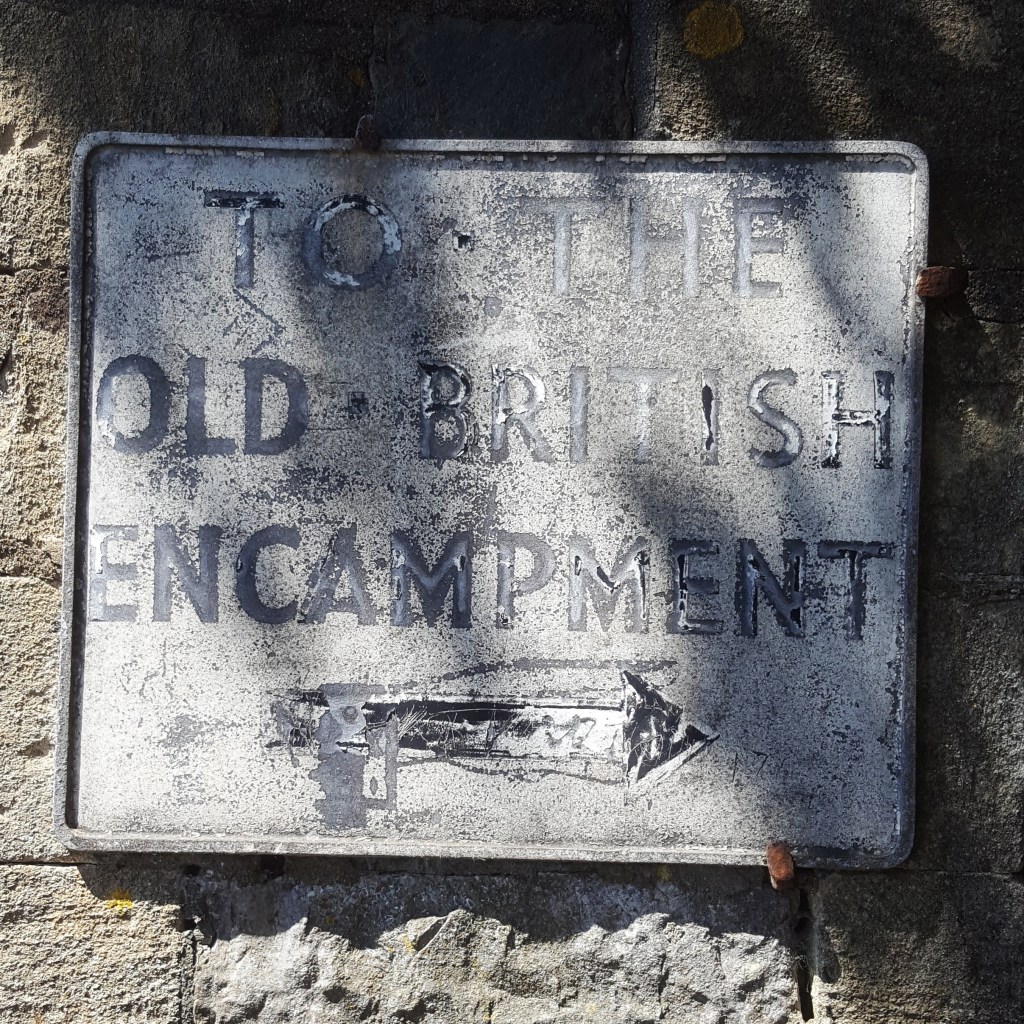
Remains
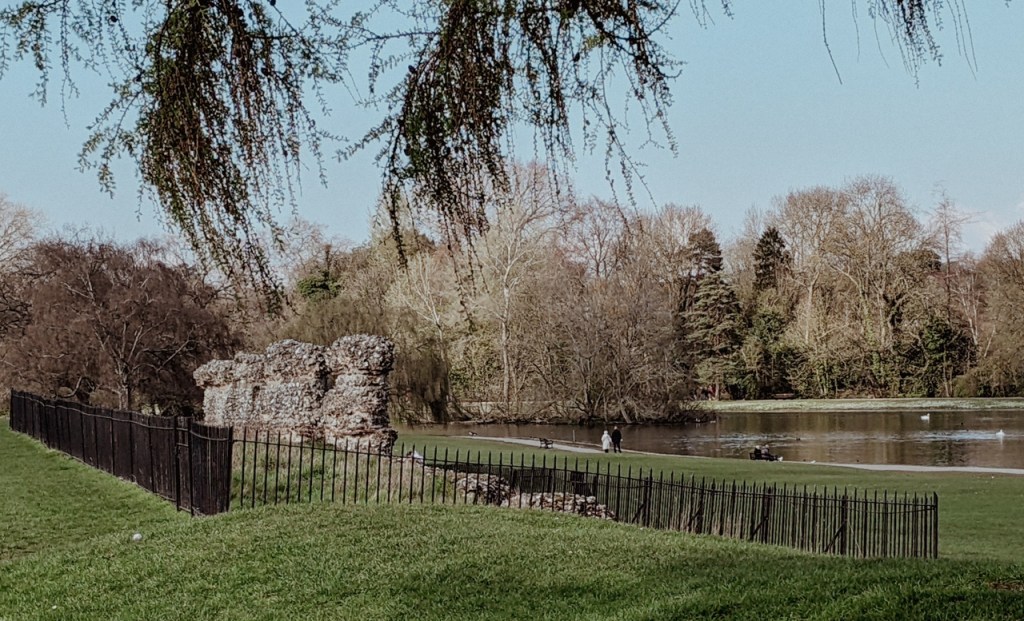
You couldn’t ignore the Romans if you lived in my home town – St Albans (Hertfordshire, UK) – especially in the area where I spent the first ten years of my life in the 1950s. Although our house was quite new the road in front of it was an ancient track, possibly very ancient; in the 1930s most of it was still a lane and it marked the southern edge of this modest-sized, but expanding city. What would become our neighbourhood had been identified as a location for new housing and during preparations for building, Roman-era cemetery sites were discovered in the vicinity, including one in the fields behind the site of our home-to-be, along with Belgic (Iron Age) ditches and earthworks. After I’d left St Albans in the early 1970s, further house building at the other end of the road revealed additional ancient, historic finds that were excavated and proved to be an important Iron Age cemetery – more of that later.
Continue reading