What the Romans did – to vex me; a biased (though considered), personal commentary on their role in my history!
For context from the previous post: at the age of about 9 or 10 a feeling began to surface within me that I really didn’t like the Romans: “from what I’d come to understand they were show-offs, broke their promises and seemed to me to be greedy, cruel bullies – all those qualities I’d been taught weren’t “nice” behaviour! Something about them made me feel uncomfortable.”
Dissing the ancients
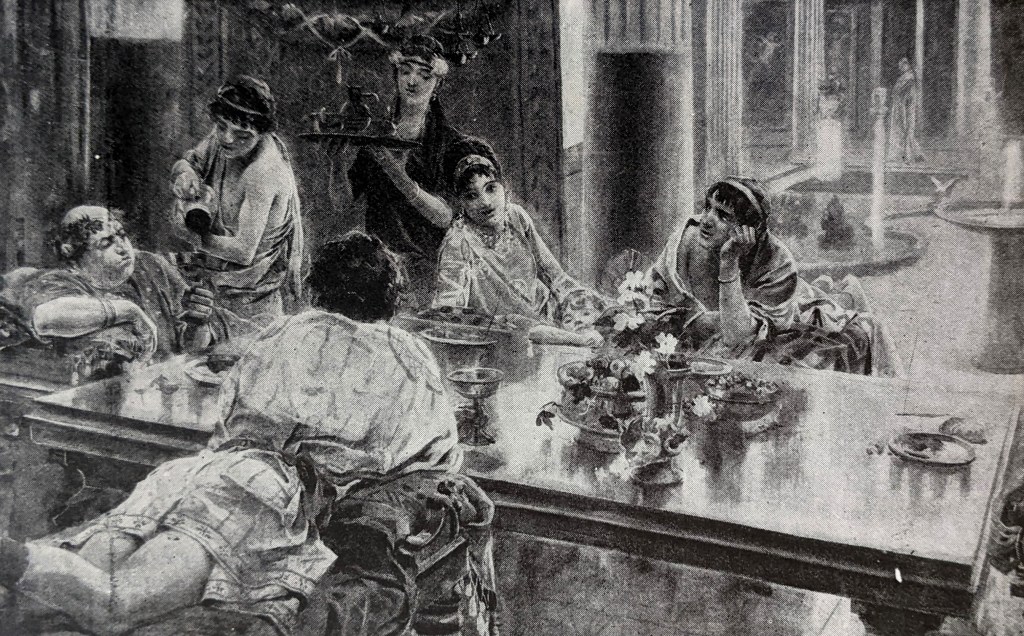
When I decided a few months ago to revisit the Romans’ history – after my involvement with the topic had lapsed in my adolescence – I soon realised I was looking for some convincing examples of events, deeds or attitudes that could help explain the unease I’d felt about them during my childhood, and lingered. Looking for criticism of this much-acclaimed ancient civilisation felt like a heretical pursuit – my Mum would have been dismayed – so I assumed it might be difficult to find unfavourable reports about them; but as I started to read books, online articles and watch history videos I soon found information or quotes that suggested I wasn’t in the minority for having a tarnished view of them:
“We look like the sons and daughters of Romans, but we are not. [Sir Mortimer] Wheeler didn’t acknowledge it because he was so captivated by the military success of the Romans, typical of the short-sighted views we British have. Being invaded by the Romans had a terrible effect, not just on how we view our own history, but on how we developed as a nation…We’ve come to believe the Roman colonisation of this country was a civilising act, when, in fact, it was a brutal suppression.” Francis Pryor1.
And even in an almost contemporary account by a Roman, they do not come out too well:“They create desolation and call it peace” is a slogan that has often summed up the consequences of military conquest. It was written in the second century CE by the Roman historian Tacitus, referring to the Roman conquest of Britain.” Mary Beard 2
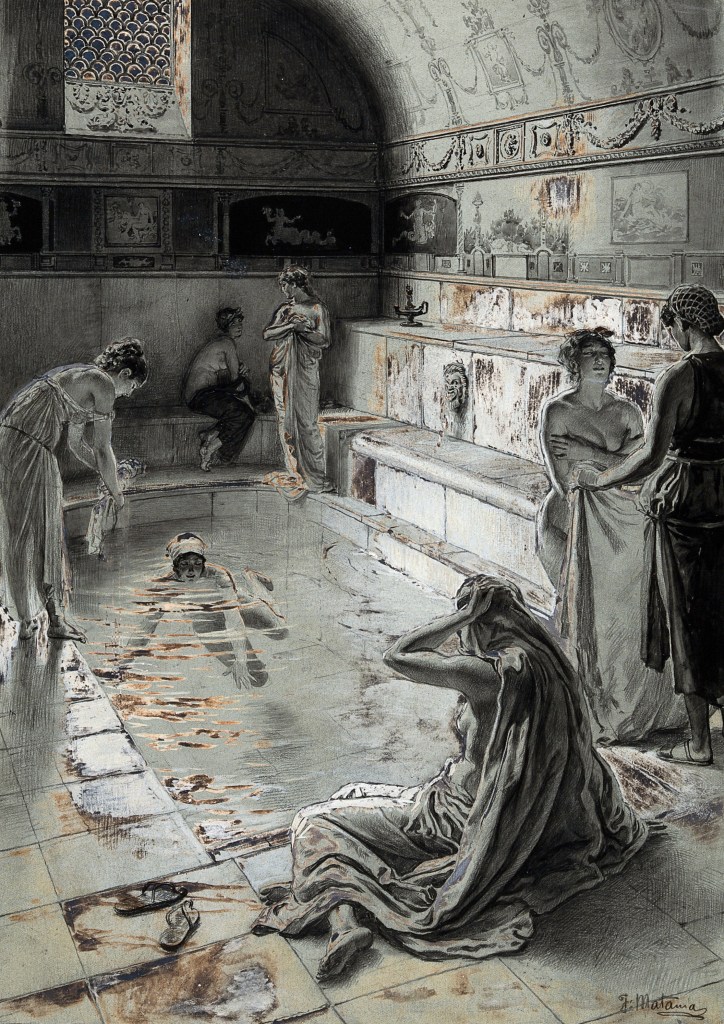
On a social level, the Romans’ attitude to women was substantially misogynistic: “In sum, if unfettered by accepted mores and left to their own devices, Roman women were considered “unreliable, unpredictable, and destabilising forces” Matthew Breier3; they had fewer rights and less power than their Iron Age counterparts.
An apparently laudable opinion of the Romans was their condemnation of human sacrifice as a ‘barbaric’ (meaning ‘uncivilised people’) ritual they believed was carried out by the Druids – the powerful, but anti-Roman class of priests, judges and advisors to the resident tribes in pre-Roman Britain and Europe. “For Romans, the project of civilisation was a sacred one. The barbarian was a man of unrestrained passions, ruled by his emotions, irrational, incapable of delayed gratification or regulated cooperation and therefore incapable of building a lasting civilisation” Patrick Kilroy, Quora.
However, their condemnation looks fairly insincere given their own practice of highly organised and violent gladiatorial games for public ‘consumption’. These included fights to the death between gladiators (occasionally women), other (usually enforced) human participants, and animals, as well as the execution of criminals; beyond the arena; the humiliation and torture of crucifixions were a public display (although for ‘balance’ the atrocities inflicted on the Roman residents of Camulodunum by the Iceni during the Boudican revolt were equally savage), while ritual murders were conducted too, often implemented to restore the favour of the gods – the ‘pax deorum’ – but none of these deaths were considered as ‘sacrifices’ – Roman duplicity!
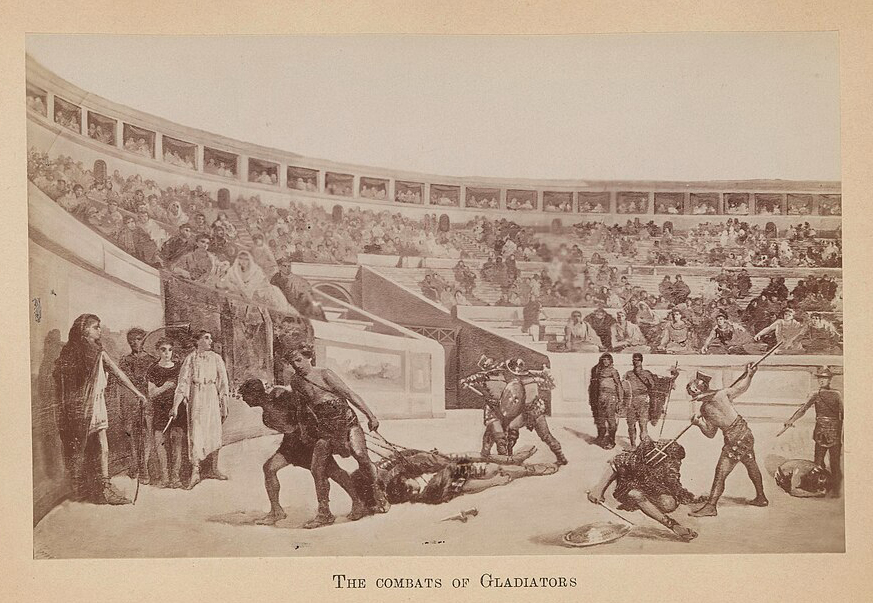
These hugely popular events were lavish entertainments, partly to placate disenchanted plebeians, but funded by wealthy citizens they were also to win the support of Romans eligible to vote at election time. They took place across the empire for 500 years, including shows at the theatre in Verulamium where armed combat and wild beast shows (venatio) were presented. “Rome was a society where literally everything was about dominance vs. submission” Jānis Šnepsts5 and gladiator games were an excellent demonstration of Roman superiority. The earlier Greeks, whose Olympic games aspired, contrastingly, to improve human values such as excellence and respect “generally viewed the Roman love for violence in the arena as crude and barbaric.” Jānis Šnepsts.
Another example of brutal Roman behaviour (genocide), was the massacre on the Island of Môn (Anglesey) in 60 or 61 CE of mostly unarmed Druid priests, women and children (so that is not human sacrifice?), by a vast number of troops (estimates of between twenty and thirty thousand) under the leadership of Paulinus, the Governor of Britain. The campaign was intended to eradicate the threat of Druidic practices in Britain. The island was the centre of Druidic culture and the attack included the destruction of their sacred groves; they were ‘successful’ (to an unknown extent) but were interrupted (possibly) by the news of Boudica’s attacks on three cities, including Verulamium, so Paulinus withdrew his soldiers and returned to southern England. Some historians6 believe this was not coincidence but carefully orchestrated action, and that Boudica was quite probably a Druid herself. The campaign to obliterate an entire and significant class of the population must have done little to endear the native Britons to the Roman’s ‘way of life’.
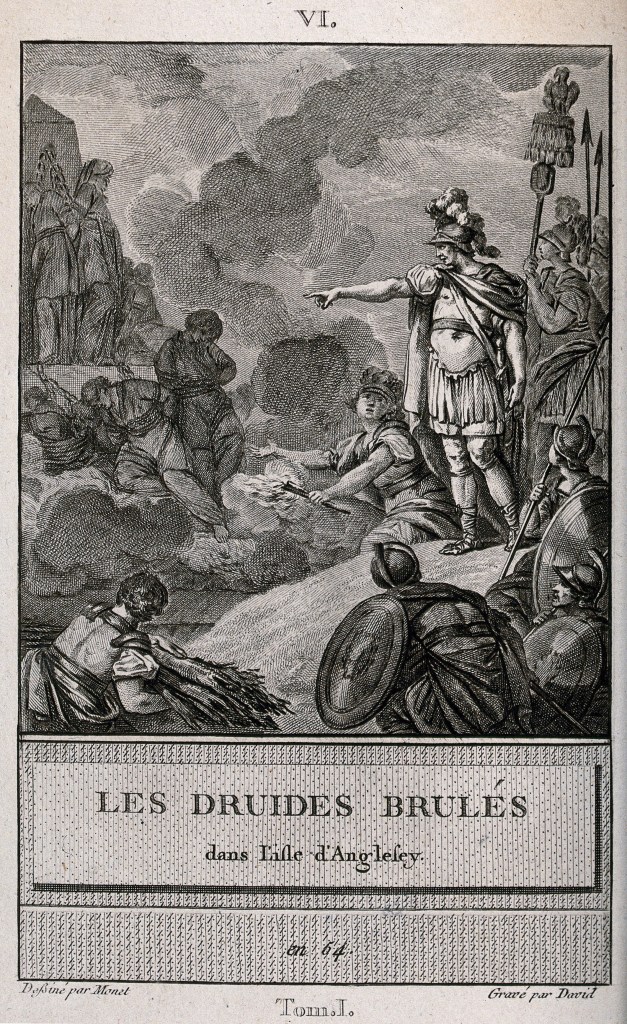
From the Wellcome collection7
Fuelling (and damping) the fires of my indignation with facts
I felt I was on the right tracks (of vindication!), and continued my research, acquiring a far broader overview of this extraordinarily powerful empire than I was ever able to grasp through the lists of incidents, wars, emperors and dates I’d been taught at school – not always the right time to absorb the depth of information needed for everything to make sense. This time I found the vast topic far more fascinating than I expected and now have some insights into this distant, but still reverberating world, along with a grudging admiration for some aspects of it, so I admit, to a degree, I’m playing devil’s advocate here!
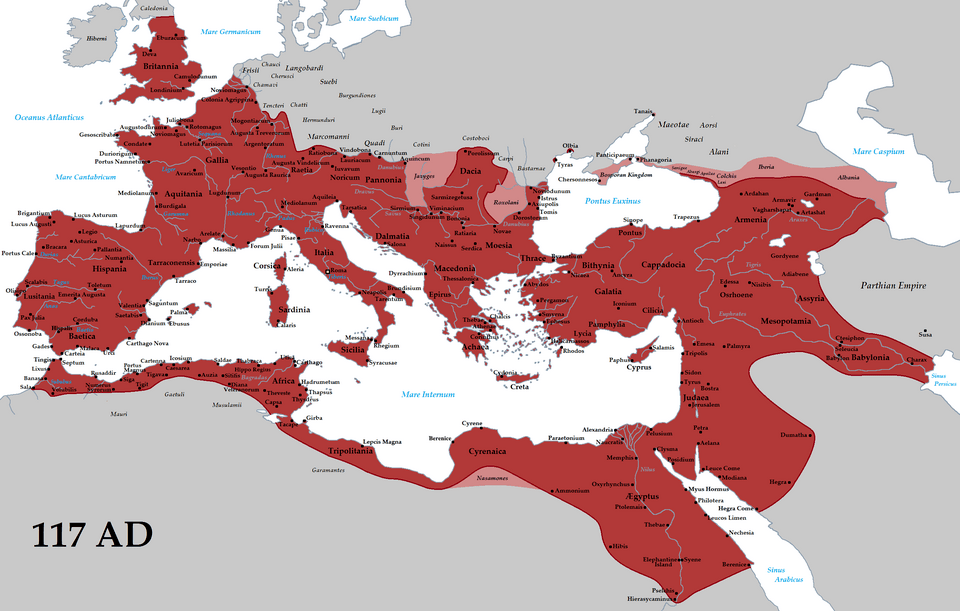
I realised that I didn’t have a clear idea of the extent and duration of the empire – it was immense, and prolonged, covering approximately ‘five million square kilometres’ at its peak, around 117 CE. It had a population of 70 million people – 33% of the world’s population. The Ancient Roman era, encompassing the Roman Kingdom, Republic, and Empire, lasted for roughly 1,000 years, starting from the founding of Rome in the 8th century BCE to the collapse of the Western Roman Empire in the 5th century AD. The Eastern (Byzantine) Empire lasted until 1453 CE.
Empire glue: roads, money, armies and slaves
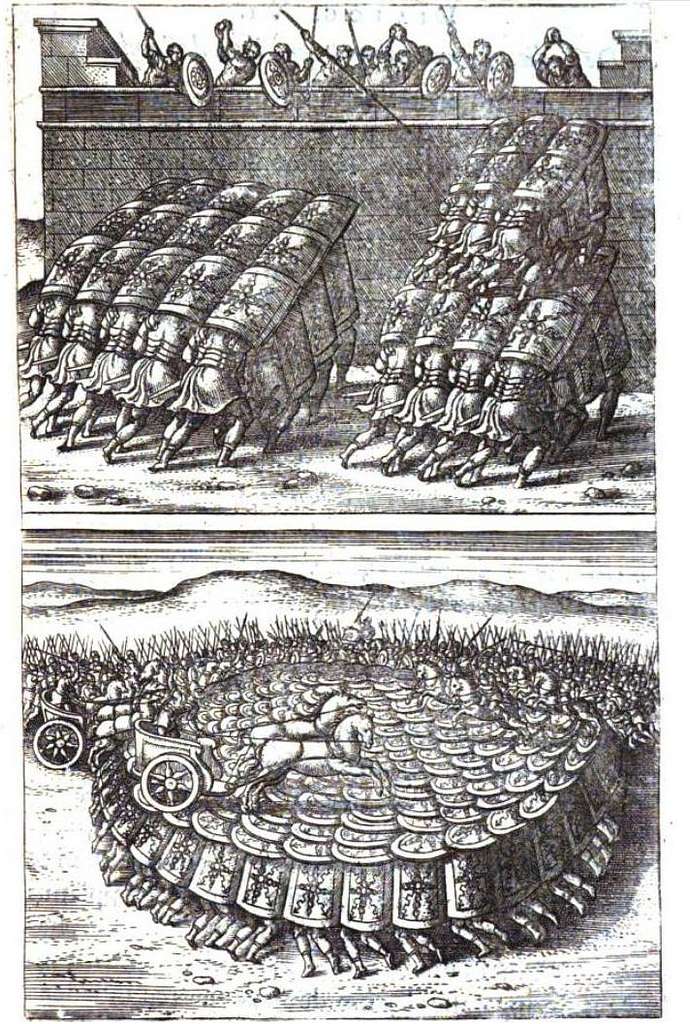
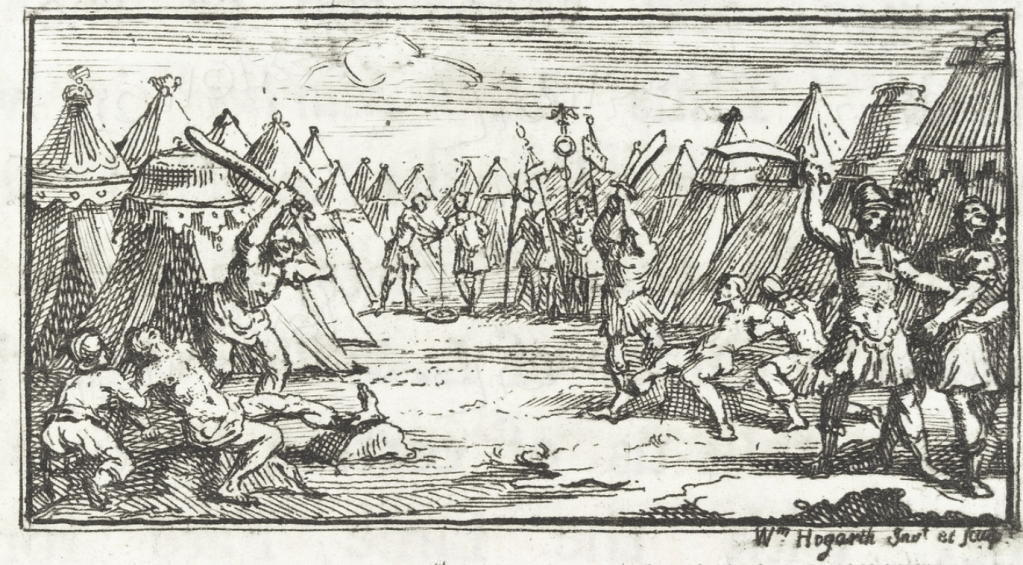
Taking in the scale and time span of this Roman endeavour made me see why so much of Roman history seemed to be about military matters, a subject of enormous interest to many (especially topics such as the disciplined organisation of the army, and their refined technology in projectile weapons – deadly for Iron Age warriors used to individual combat), but something I’d personally found tedious – a gender thing maybe! But it finally occurred to me that armies, and slaves, were the glue of the empire, and as such, paying the soldiers who maintained order in these widely dispersed territories that the Romans had ‘won’, or taken, was of vital importance.
This, of course, required the mechanisms to provide supplies and raise, collect and distribute funds. The parallel developments of skilfully engineered roads – for trade and military use – along with the introduction of a far-reaching monetary system (overlapping and then replacing traditional forms of exchange), in conjunction with taxation, and a formalised system of slavery, enabled the empire to expand; but it had to keep expanding in order to exist.
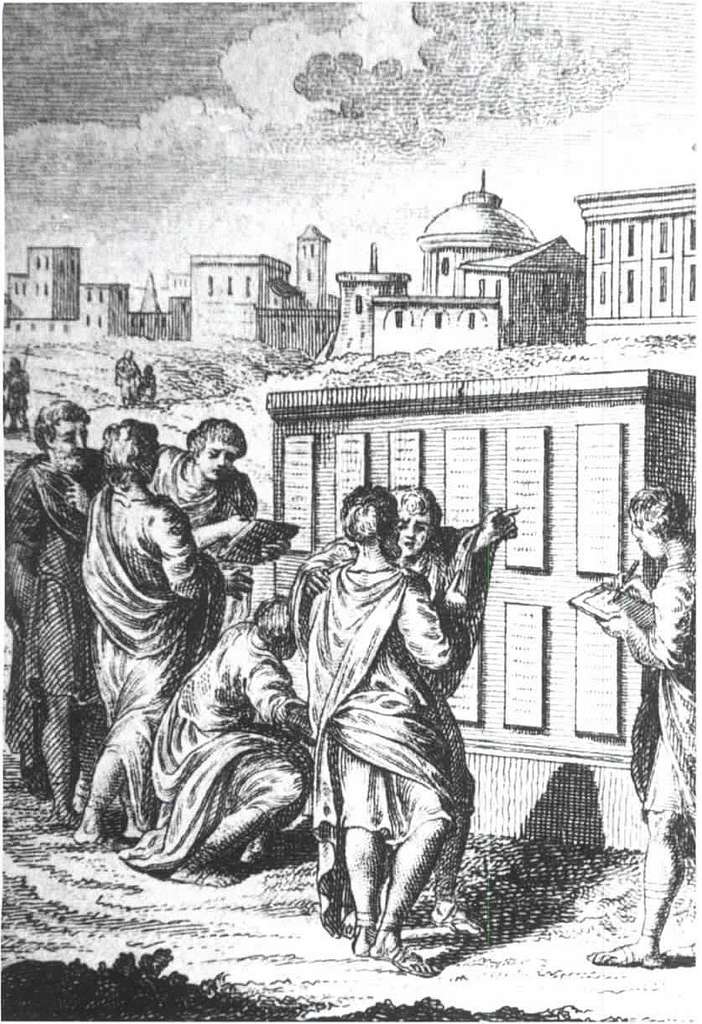
Aligned with these factors, the need to record financial transactions, or details of military organisation led to the much wider use of writing – on wooden tablets or papyrus – that can still be read today, and has provided a rich source of information for historians. Written, and spoken Latin became the administrative language of the empire; see Vindolanda Project
Legend building
Further research led me to (what initially, I thought was) a fundamental concept about the Roman Imperial Cult that made them “confident that the gods had gifted them the known world and that it was their right [the emperors’ – also considered as gods] and duty to rule it all in their ‘civilised’ manner.” This made sense to me – it was what appeared to power their immense ambitions. But…
“The fact is that Romans did not start out with a grand plan of world conquest. They did eventually parade their empire in terms of some manifest destiny, and Virgil in his national epic, the Aeneid, could in retrospect make the god Jupiter prophesy for Rome “an empire without limit”. But the motivations that originally lay behind their conquests through the Mediterranean world are far harder to pin down.” Mary Beard, (my emphasis)
Unsurprisingly the foundational stories shift with time and politics, but since the Roman Empire lasted for around 500 years it is regarded as ‘successful’ (they certainly had vigour, or compulsion), and of course the Romans did instigate “sanitation, medicine, education, wine, public order, irrigation, roads, the fresh water system and public health” (Monty Python Life of Brian) for which. of course, we have much to be grateful.
Dominion
However…what I’ve come to understand through my ‘provoked’ interest is that sustaining this megalomaniac enterprise came at a monumental cost; alongside the essential need to unify across the empire, extreme efficiency was demanded from the ruling patricians, in parallel with conformity from everyone else; all this led to a mechanistic culture of maintaining rigorous control. However this brought the risk of inciting rebellion from the native inhabitants of the colonies when their traditional lands were taken, some were enslaved, and many were heavily taxed (often in the form of agricultural produce), leading to hardship and resentment; the Boudican revolt was in part sparked by these factors.
‘Tamed’ nature, global pollution.
Encountering further details of the Romans’ operations for expanding this empire – envisioned, or not – has reinforced my idiosyncratic suspicions that they had an ingrained appetite for suppression, extortion and imposing their way of life on others. Their perception of the vast terrain over which they ruled, that included the natural world and landscapes they occupied (usually in more than one sense), was of an asset that required taming, exploiting and controlling – a strategy shared often, of course, by other colonisers in the future – but “Never before in the history of the world had an organisation of humans reached this size or prosperity. They achieved a cosmopolitan culture that required massive amounts of land to be transformed, whether for mining, agriculture, or general infrastructure.”The Eco Experts. Identified in recent samples drilled from the ice cap of Greenland were “traces of the pollution produced by Roman industry – the mines in Roman Spain, for example, where thousands of people, children included, worked in appalling industrial conditions to produce the silver that ended up as Roman small change” Mary Beard from the Guardian. See also Greenland ice cores track Roman lead pollution in year-by-year detail.
Autocratic architecture: “Strength, Utility and Beauty”
The empire makers had a pragmatic and utilitarian approach to achieving and retaining their hold on territories, making use of architecture and road-building to serve their purpose “Architecture was crucial to the success of Rome. Both formal architecture like temples and basilicas and … utilitarian buildings like bridges and aqueducts, played important roles in unifying the empire.” Thomás Sakoulas, Roman Architecture
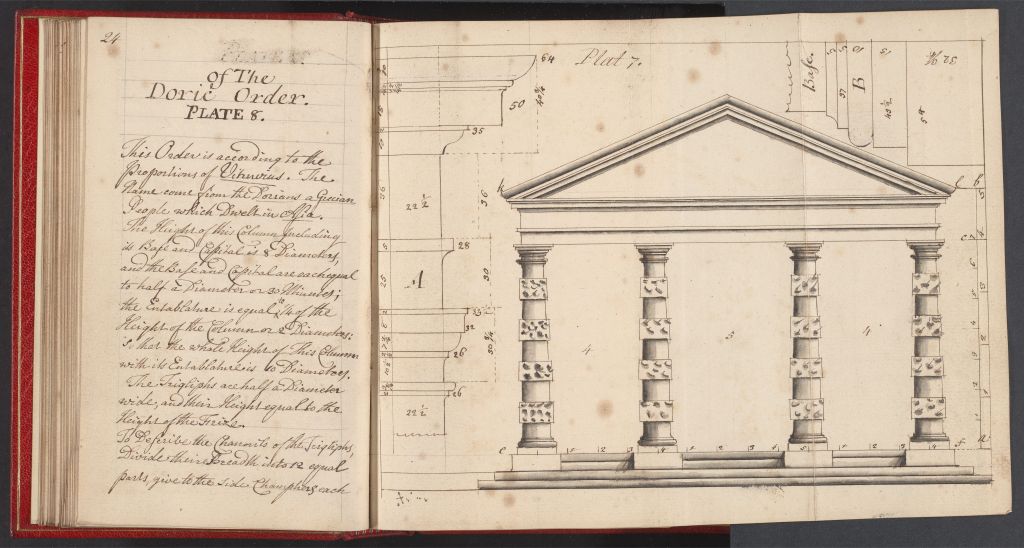
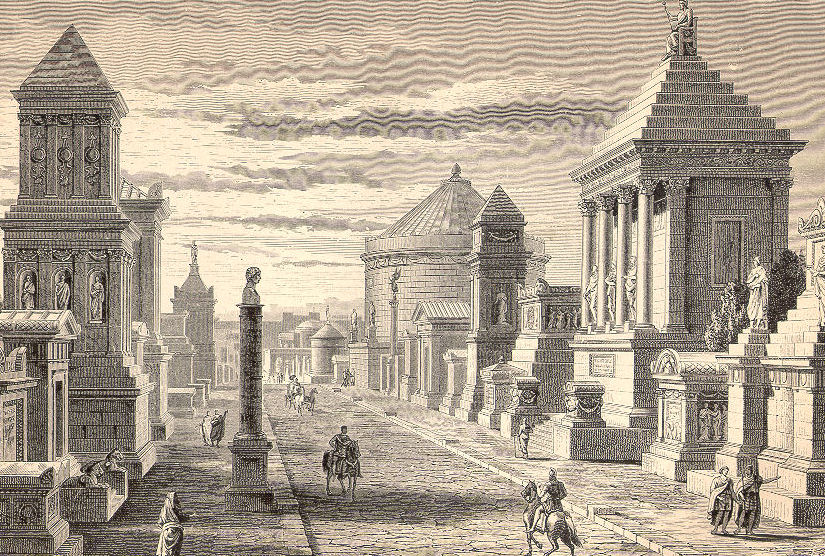
To accomplish this the constructors of the empire adopted ‘pattern-book’ styles of municipal buildings across the extensive Roman world, following the principles of firmitas, utilitas, and venustas, (strength, utility and beauty), theorised by 1st century BCE Roman architect and military engineer, Vitruvius. This system of standardisation, along with laying out towns in a grid pattern, was derived from military encampments. Although obviously practical – especially when towns as the Romans knew them hadn’t existed in Britain before they invaded – it was also an imposition that, no doubt intentionally, disrupted existing social patterns, land ownership, and ritual sites. The Roman Empire “suppressed the identities of the people it conquered” (Francis Pryor9), along with local styles and traditions, often erasing settlements that had been established in intimate relationship to their landscapes. Roman architecture is most gratifying for me when neglect, weathering and gravity have got the better of the rules and hierarchies – the ruins of the Forum in Rome are sublime and the Via Appia is far more mysteriously enigmatic now than the image below. (I do have exceptions to this harsh judgement, such as the Pantheon in Rome – which is a marvel!)
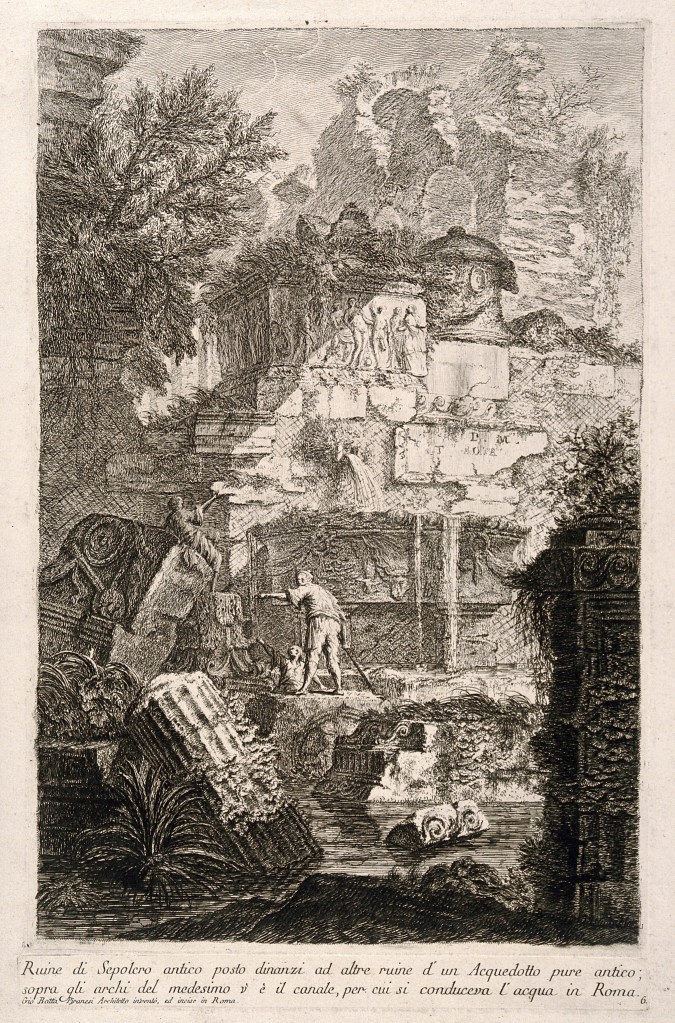
Etching by GB Piranesi, ca 1750. Public Domain
Road rage
Then there are those brilliantly engineered long-distance roads; “The Romans figured out something critical when it came to maintaining an empire: if you want a bunch of disparate communities to function under one government, build roads” Roman Mars and Kurt Kohlstedt10.
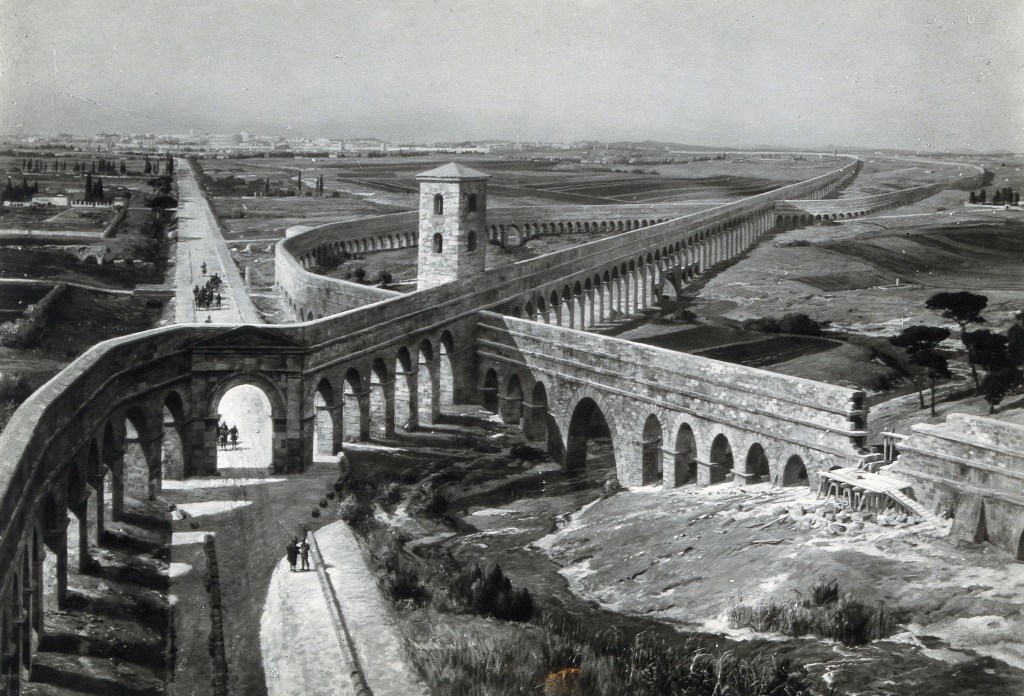
Roman aqueducts in Via Latina, to the south-east of Rome: view of the crossing of two aqueducts during ancient Roman times, with the city of Rome seen in the distance. Photograph, ca 1936, of a painting by M Zeno Diemer, ca 1910/1935 Wellcome Collection Creative Commons Attribution (CC BY 4.0)
“The road network from Britain to Syria was an efficient communication system”11 An astoundingly impressive spanning of distance and connecting of cultures but, unsurprisingly that imperative to impose was evident in this civilising programme too; in Britain there were 2000 miles of roads built by the Romans:
“The Romans built roads to link military infrastructure … strategically spaced to control southern England. These were the motorways of the Roman occupation, express routes to help them keep the locals under control. But for the native Britons the psychological impact of their presence was every bit as disturbing as the practical function. Each road a monument to the Roman Army …. a constant, impressive reminder of the might of Rome; not a landscape change that could be ignored…very much noticed by the locals as a statement” Neil Oliver, A History of Ancient Britain: The Age of Invasion. BBC TV, 2011, my emphasis.
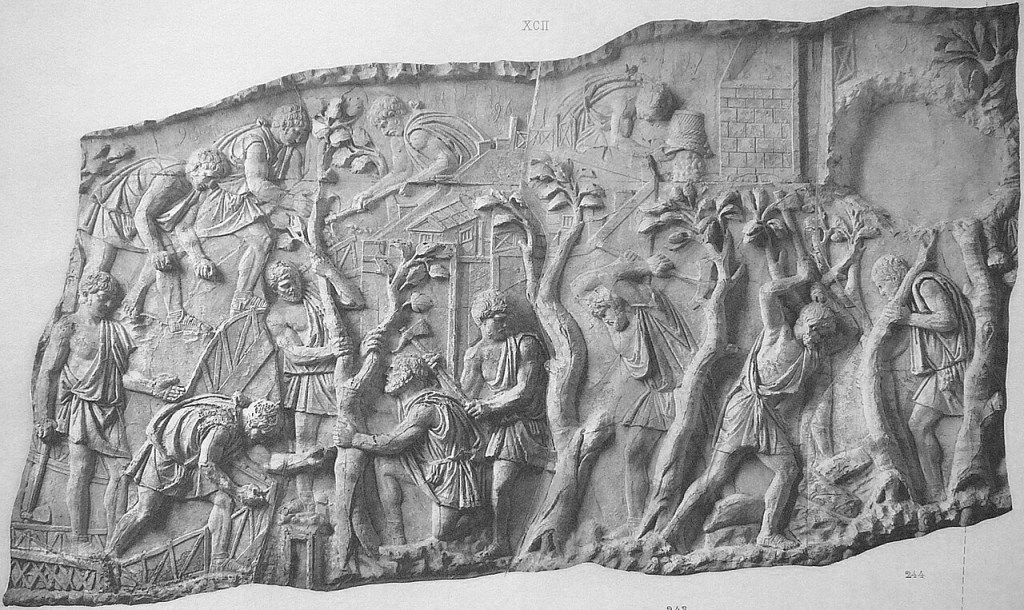
Zooming in on just one section of a single Roman road closer to home (literally – just half a mile from where I’d lived as a child), an Iron Age cemetery was discovered in 1967 in King Harry Lane. It was located just outside what would, a little later, became the Roman town of Verulamium and contained almost 500 burials;
“[the cemetery] probably represents a full cross-section of the population, from about AD 1 to AD 60. The Claudian invasion [43 CE, when the Romans occupied the Celtic settlement of Verlamion, renaming it Verulamium] had no immediate effect on the funerary ritual, but about a generation later [so around 70 CE] the Roman [Silchester] road was driven through the very centre of the sacred area; some of Verulamium’s inhabitants must have seen the tombs of recent ancestors completely obliterated.” I.M. Stead and V. Rigby12 (my emphasis)
I’ve only recently discovered this information and although conjectural, it’s an ugly vision and makes a powerful impact; building a road across a known cemetery of the neighbours you’ve subjugated is unlikely to help with the integration I’d understood the Romans hoped for. This deed made me wonder what the Romans’ own attitude was to death, life and religion, compared to their “uncivilised” subjects…
Death – just a phase, or “a necessary end”13?
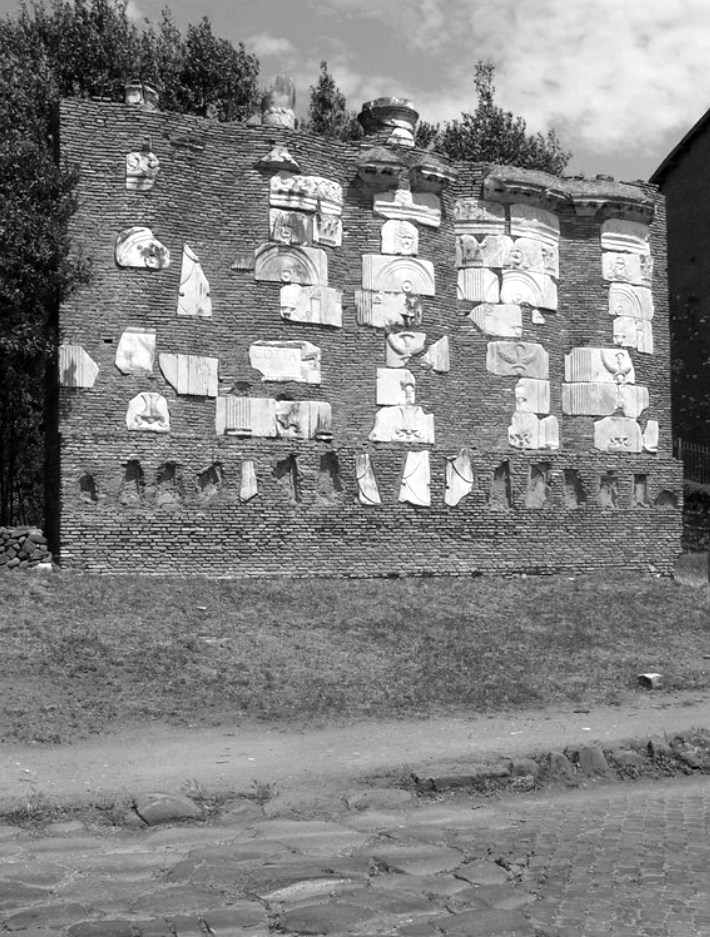
Religion is a vast and elusive topic… this very loose and un-scholarly attempt at a summary of these two cultures includes these ideas: the Iron Age Celts believed in a cycle of life, death, rebirth and reincarnation, at some stage the dead possibly joined an Otherworld of spirits; it all sounds quite dynamic (there’s a little more on Iron Age beliefs and their relationship with landscape in the next post). But graves may have been seen as gateways to this Otherworld where the living could connect with their ancestors, so the Roman road-building disturbance to the King Harry Lane cemetery (see above) would have been a devastatingly sacrilegious act for the remaining native population.
For Romans death took you to the Underworld, your body and soul were separated, there were various areas for different types of soul; Elysium was a paradise for heroes and the worthy, Tartarus was where those who’d behaved in a way that offended the gods might go while most of the dead were thought to “dwell on in the Asphodel fields, which was neither particularly pleasant nor unpleasant” It seems there were no fixed ideas about an afterlife, though ancestors were honoured and venerated in the hope they would provide protection. But death could be harmful to the living so the dead were buried outside their towns and cities, and tombs would line the major roads. A more static scenario.
Roman religion: contracting (but maybe not contacting?) the gods
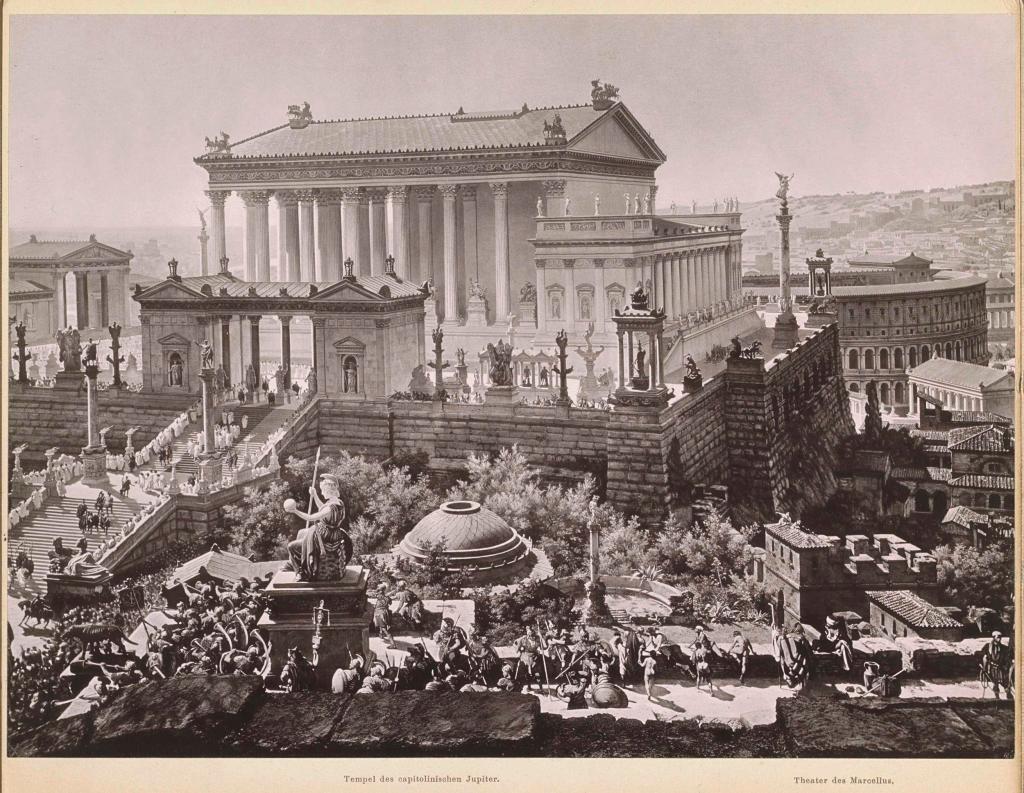
As for the living world of the Romans, I was aware they worshipped many gods, and It appears the population was very pious, though also superstitious; upholding religious practices was a part of daily life for everyone – but at the time of the late Roman republic and into the early period of empire, religion was more of a business contract than a spiritual practice: “Roman ceremonial was … obsessively meticulous and conservative” Michael Grant, Encyclopaedia Britannia . Performing rituals at the right time was essential, and this was determined by a calendar (more on this below) presided over by priests, but these priests were also often involved in politics and could manipulate dates to their own advantage at election times. Religion was more about protection, order and control than spirituality, the Romans had shifted from a natural to a civic religion; the concept comes across the centuries to me (though I’m not religious) as something of a formal, ‘empty’ belief system, lacking in personal, emotional connection.
Evolving gods, seasonal slippage and a confusion of calendars
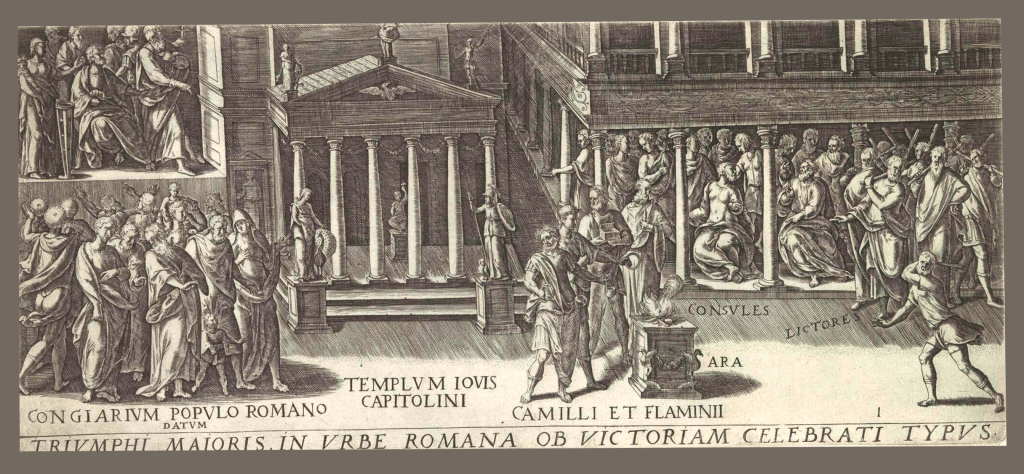
Rijksmueum Public Domain
The Romans’ principal gods, Jupiter, Neptune, and Mars, had become transformed over time – this significant trio were “all ancient Roman deities … largely changed in function and image, moving from a focus on natural order and fertility to social order and victory.”14 . This recasting of the gods reflected the drift from an agricultural society to an increasingly urban life preoccupied by social and civic formalities. Meanwhile, the ancient lunar based calendar that defined seasonal festivals had fallen out of synch with practical agricultural routines over the centuries.
Aspiring tyrants, solar gain, lunar loss
© Ad Meskens / Wikimedia Commons
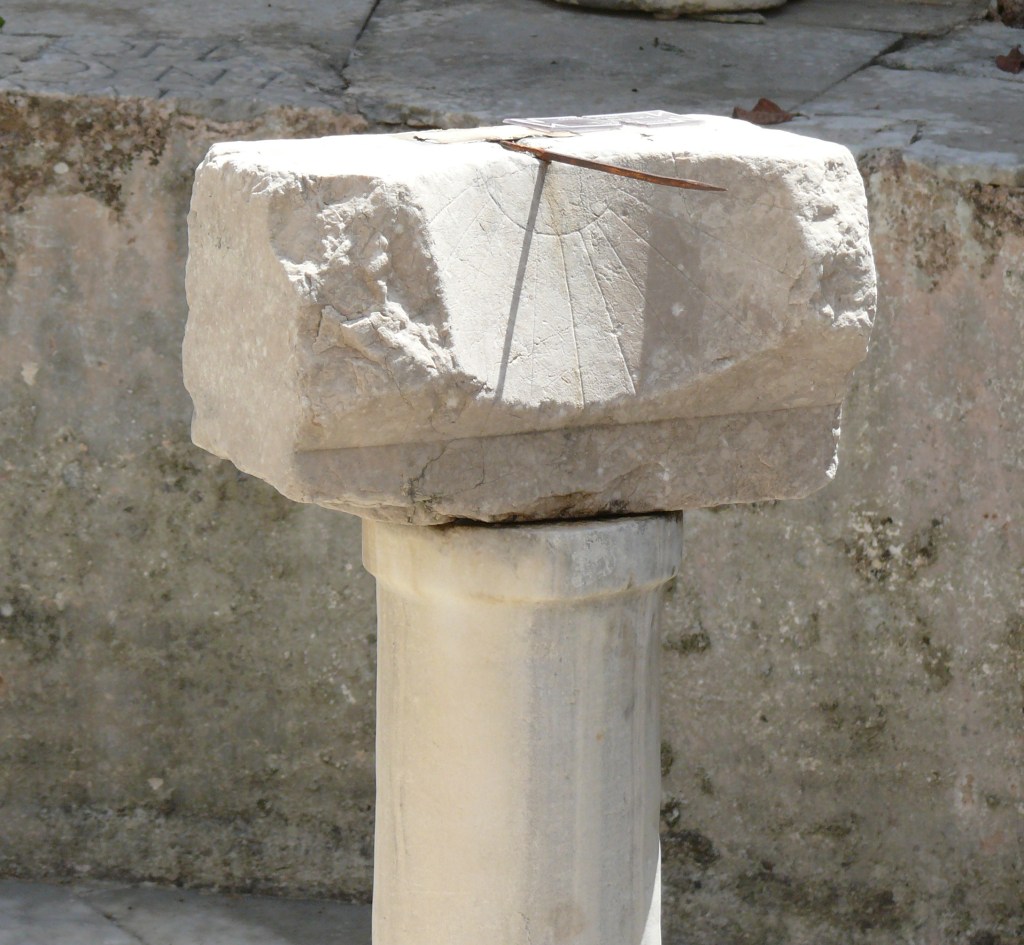
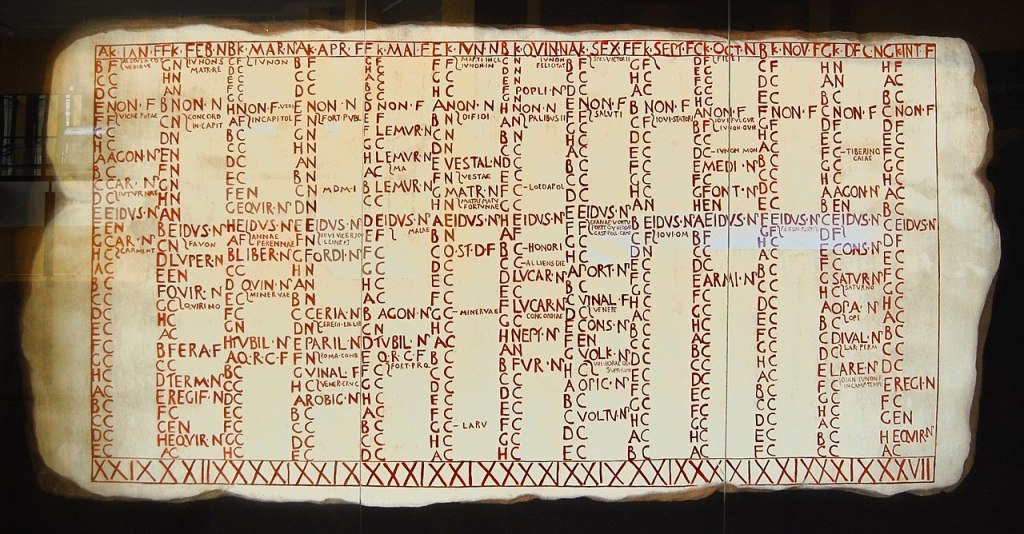
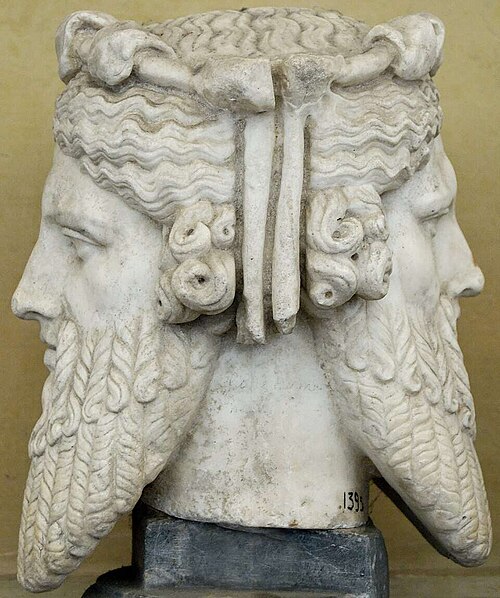
Although adjustments were made over time, it wasn’t until 46 BCE that Julius Caesar, aspiring to enforce order and regularity on Roman life across their territories, initiated, with scholarly advisors, a recalibrated, solar-based calendar that became the paragon of accurate astronomical calculations. The duration of days, weeks, months and years were fixed and the dates of festivals secured; the new system brought uniformity and also improved record keeping – a boon for the orderly Roman administrators, and less uncertainty for future historians. In preparation for the new calendar, Caesar inserted 3 new months, making 46 BCE 445 days long, it became known as the Year of Confusion. 45 BCE was the first year in the new calendar that now commenced, not as previously in March – the ‘natural’ start of the agricultural year – but in January, named after the two-faced god of gateways and transitions, Janus, with one face looking to the past and the other to the future.
Bad Ides
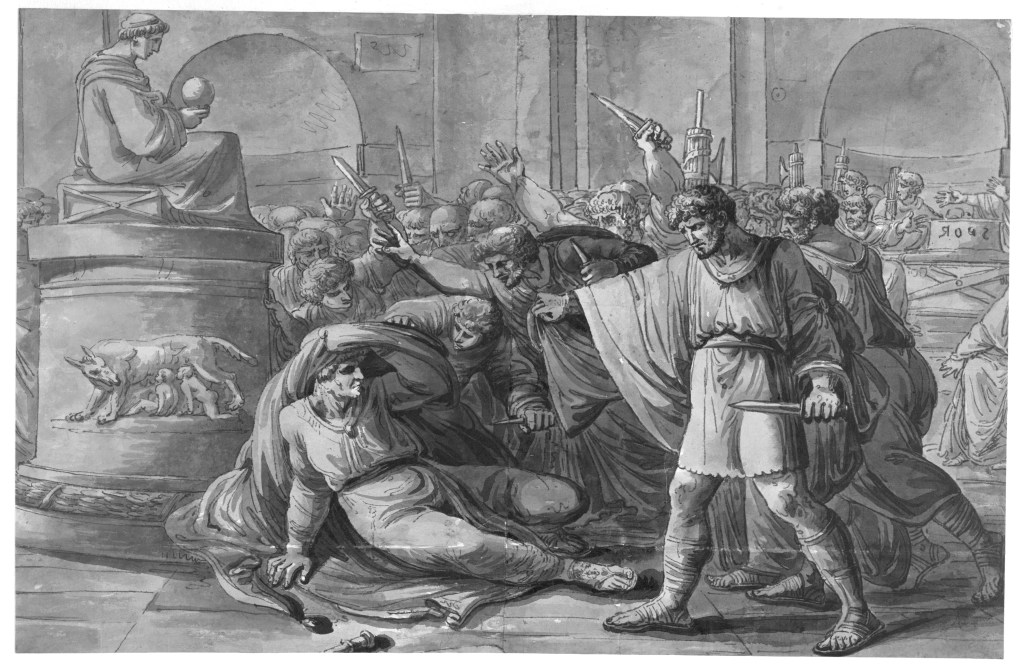
Unfortunately for Caesar though, some of his fellow elected senators became alarmed by his ambition to crown himself the king of Rome and dispense with the Republic, and just two years after his significant time-organising achievement, they assassinated him. This incident led to more civil wars (there had been plenty during the previous century) and paradoxically, the collapse of the Republic and start of the Empire, a turbulent period of change. Nevertheless, Caesar’s calendar would endure for over a millennium and a half, leaving the moon’s inconvenient cycles to other cultures.
Made in: Bologna, Italy. Date: 1800s. Record ID: chndm_1948-118-28. Public Domain
Pax Romana, mystical eruptions, and Christianity
Once the Empire was established, expanding to its largest extent by 117 CE under Emperor Trajan, things remained relatively stable – a time of nominal peace and stability for nearly two centuries known as the Pax Romana, although “Romans regarded peace not as an absence of war, but as a rare situation which existed when all opponents had been beaten down and lost the ability to resist.” Wikipedia on the Pax Romana
During the Pax Romana long distance trade increased, Roman laws were standardised and became widely influential, and Roman culture was being seeded across the empire. But other perceptions, ideas and belief systems began to emerge and circulate amongst these pillars of the Romanised world too; triumphalist fatigue might have set in, and perhaps, for some, a yearning had surfaced for a greater connection to nature within this martial society, while others possibly sought a spiritual depth to assuage the official, but vacuous Roman religious practices. Influences from colonised territories across the Empire contributed to the rise of more mystical cults such as Mithraism, favoured by soldiers and slaves; another of these sects was making itself known as potential trouble for the Romans halfway through the first century CE, this was Christianity.
Time – with a Beginning, and an End
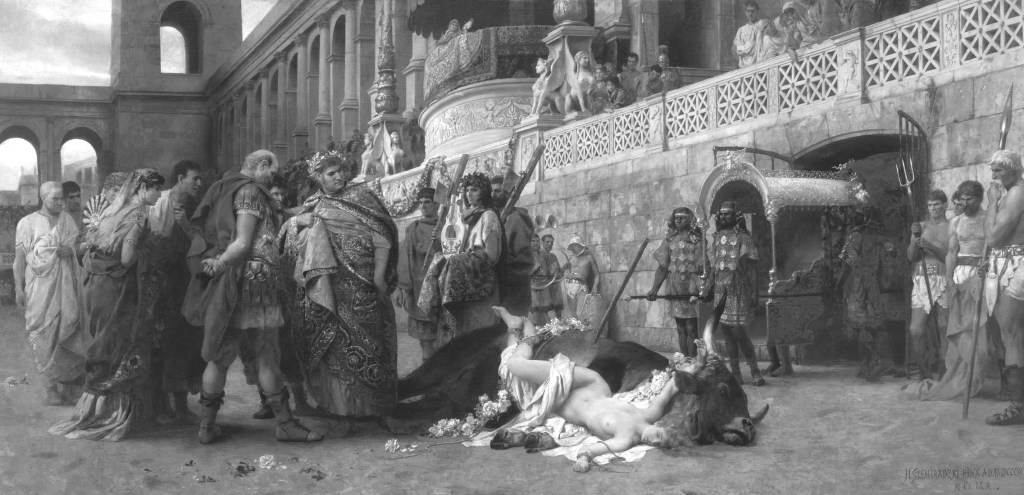
Christianity, with its one God, was a very different belief system to the Romans’ extravagance of deities, and significantly it adopted, and spread more widely, Judaism’s concept of Creation – the beginning of the world, and the Apocalypse – Judgement Day, the end of the world. These bookends, and the story they contained, came with the promise of salvation and eternal life – for those prepared to follow the teachings of Jesus – while sinners were punished. This was “an appealing alternative to Roman religions” and offered “a much more attractive doctrine, [where] the church leaders addressed human needs better than their rivals”. It took a while, and several periods of savage persecution before Christianity was accepted and eventually became the official religion of the Empire; for better or worse, it prevailed.
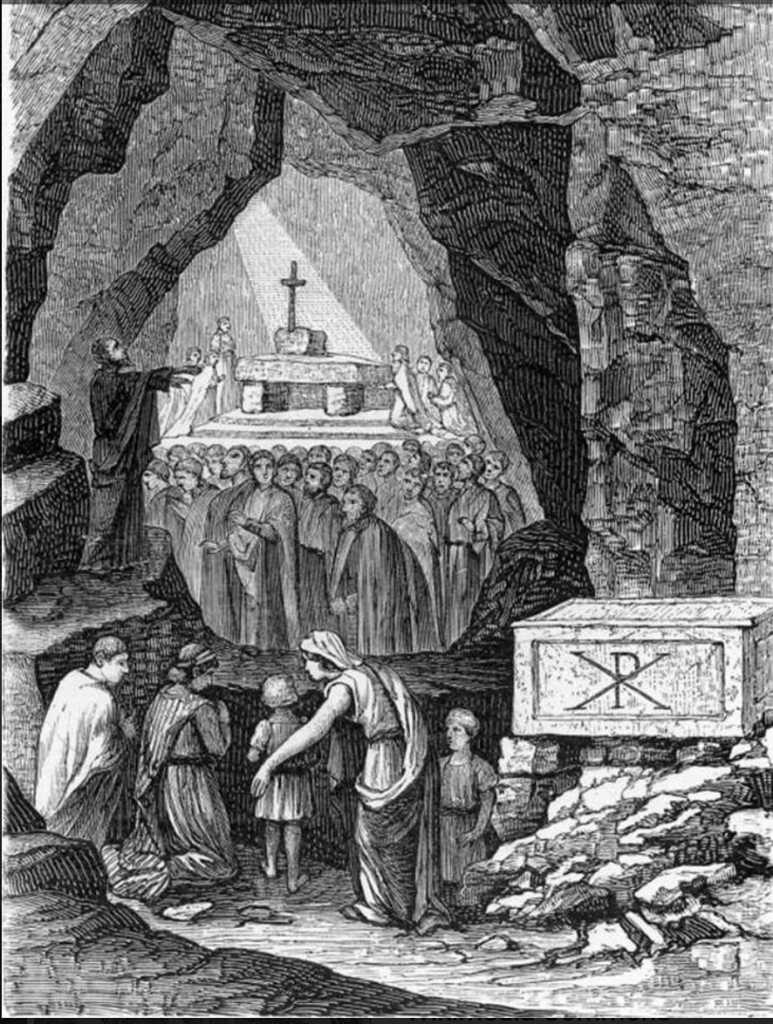
Unspooling the cycle
In this period that pivoted around both the transition from Republic to Empire and the arrival of Christ’s teaching, it seems that something else fundamental also changed, a point of balance shifted. With the metaphysical idea of the Creation “time was a deliberate narrative, written and overseen by God…it acted to structure the entire universe …[implying] that everything happens for a reason” the perception of time became more linear, and finite, a forward progress. Maybe this thinking was reinforced by the more definitive calendar system too, and the revised month for starting the year – named after the two faced god of beginnings and endings – made Janus a good candidate for representing a linear time frame.
The infinitely cyclical, and largely lunar-based procession of the seasons, observed and honoured in previous millennia by agricultural societies – and inseparable from the landscape – had been a way of living and veneration intrinsic to the Iron Age (and earlier) populations across Western Europe. But after the Romans conquered Iron Age Gaul, and invaded Britain in 43 CE, occupying their territories and disrupting their tribal boundaries and sacred landscapes, these rituals and practices gradually began to fall from ascendancy.
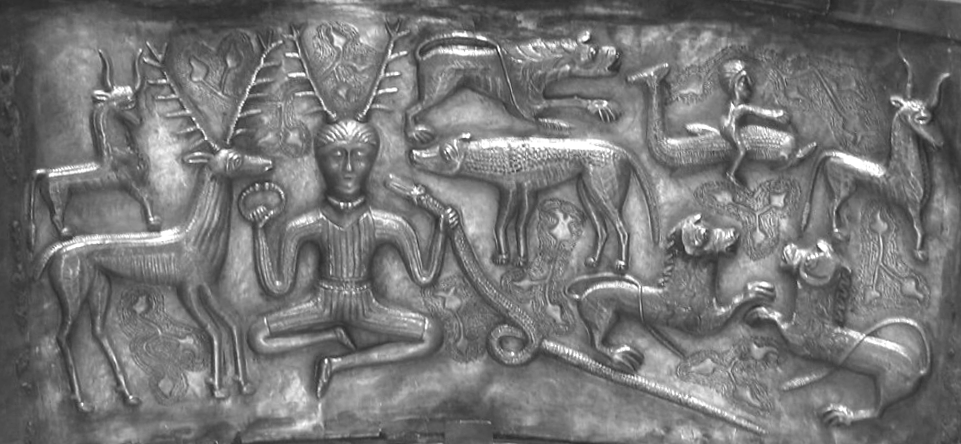
If I’d lived two thousand years ago as a Roman citizen, I’m fairly certain I wouldn’t have been content with my limited role as a woman in that society, but, I would also have been tormented by the frequent inter-tribal conflicts of the Celtic Britons, and more pathetically, would certainly have struggled with the arduous business of day to day living. Nevertheless, from what I have discovered through my (limited) research, these Iron Age peoples, dispersed across Europe, appear to have had an intimate and animistic connection with the landscape. It may be intangible, and the factual accuracy is sometimes disputed, but this world-view resonates across the centuries for me with more significance and depth than the legacy of all the roads and ruins of the Romans.
The Catuvellauni were one such Iron Age tribe that had created an important settlement, an oppidum, around the River Ver – my home town river – in the mid 1st century BCE, and had resisted, endured, or most likely, negotiated ways to live with the imposition of the Roman occupation. There’s more about the Catuvellauni, their relationship to the place they inhabited, and how their customs and traditions fared under the Romans in the next post: Verlamion – the distinguished ancestor of the upstart Roman Verulamium
Footnotes
- Frances Pryor. Historian, Author and TV presenter, from an interview about the TV series based on his 2003 book ‘Britain BC’ ↩︎
- Mary Beard. Article “Why Ancient Rome Matters” in The Guardian, October 2015 ↩︎
- Matthew Breier. A Compilation of Important Women From Roman History. ↩︎
- Women bathing in a Roman bath. Wellcome Library, London. https://creativecommons.org/licenses/by/4.0/deed.en ↩︎
- From a Quora discussion post on “Why were gladiator fights so popular in Rome but not in Greece? Were the Romans more cruel than the Greeks?” Unable to provide link ↩︎
- Miranda Aldhouse Green on BBC In Our Time programme, The Druids ↩︎
- Romans burning the Druids. Wellcome Collection. https://creativecommons.org/licenses/by/4.0/ ↩︎
- Map of Roman Empire: https://commons.wikimedia.org/wiki/File:Roman_Empire_Trajan_117AD.png ↩︎
- Frances Pryor. Britain BC Harper Collins in September 2003 ↩︎
- Roman Mars and Kurt Kohlstedt. The 99% Invisible City: A Field Guide to the Hidden World of Everyday Design. Hodder & Stoughton, UK 2020 ↩︎
- Architecture, Performance and Ritual: the role of state architecture in the Roman Empire by Ralph Haussler. Paper from the Theoretical Roman Archaeology Journal. 1999 ↩︎
- English Heritage publication: Verulamium: the King Harry Lane site. 1989. I M Stead and V Rigby. ↩︎
- A line from Shakespeare’s play Julius Caesar, spoken by Caesar to his wife Calpurnia who feared for his safety in attending the Senate on the Ides of March (15th), 44 BCE “A coward dies a thousand times before his death, but the valiant taste of death but once. It seems to me most strange that men should fear seeing that death, a necessary end, will come when it will come” She was right, he was assassinated when he arrived at the Senate ↩︎
- Matthew Taylor Kennedy, Masters Thesis 2012 James Madison University US ↩︎


